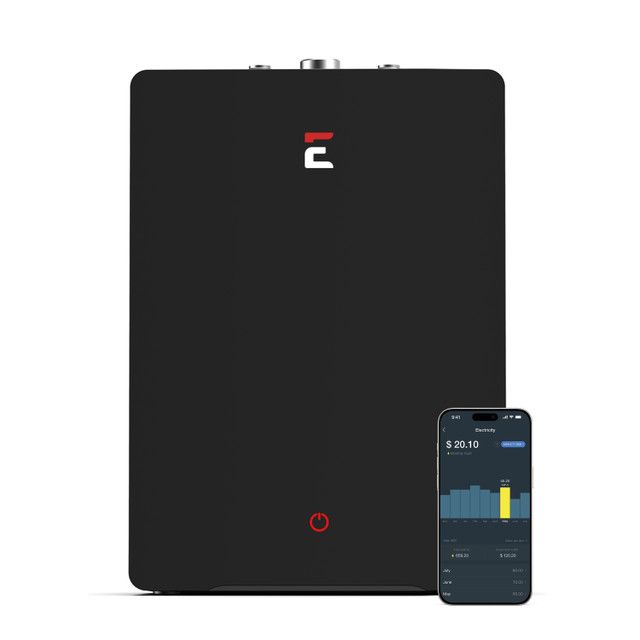
When it comes to lowering household energy expenses, the size and efficiency of a water heating system often go unnoticed. Traditional large-capacity tanks maintain a constant supply of hot water, but they also consume energy continuously, even when the water isn’t being used. A compact, on-demand water heater, sometimes called a mini-tank or point-of-use unit, offers a smarter alternative. By heating only the water that is needed, these smaller systems can dramatically cut standby losses, reduce peak demand, and ultimately lower your utility bills while still delivering reliable hot water for everyday tasks.
Why Size Matters: The Energy Impact of Oversized Water Heaters
Large storage tanks are designed to hold hundreds of gallons of water at a set temperature. This approach creates two major inefficiencies:
- Standby heat loss: Even when no hot water is drawn, the tank loses heat to the surrounding environment, requiring the heater to reheat the water repeatedly.
- Higher standby power draw: The heating element or burner runs intermittently to maintain temperature, consuming electricity or gas continuously.
Replacing an oversized unit with a mini water heater eliminates much of this waste because the system only activates when hot water is requested. The result is a measurable reduction in energy consumption, especially in homes where hot water use is sporadic.
Key Benefits of a Small Water Heater
1. Reduced Energy Consumption
Mini water heaters are engineered for high efficiency. Their compact design means:
- Lower surface area exposed to ambient air, minimizing heat loss.
- Advanced insulation that keeps water hot for longer periods without additional heating cycles.
- On-demand operation that eliminates unnecessary standby heating.
2. Faster Hot Water Delivery
Because the water is heated close to the point of use, there is less time spent waiting for hot water to travel through long pipe runs. This not only improves comfort but also reduces water waste, contributing indirectly to lower utility costs.
3. Space-Saving Installation
These units can be installed under sinks, in closets, or in utility rooms where space is at a premium. Their flexibility allows homeowners to replace an old, inefficient tank without major renovations.
How a Mini Tank Cuts Your Bills: Practical Calculations
Consider a typical 50-gallon electric water heater that loses about 3-4 % of its heat per hour. Over a 24-hour period, that equates to roughly 72 % of the stored energy being wasted if the hot water isn’t used continuously. By contrast, a 6-gallon mini tank that heats water only when needed can reduce that loss to less than 10 %.
Assuming an average electricity rate of $0.13 /kWh, the annual savings for a household that switches from a large tank to a mini unit can range from $150 to $250, depending on usage patterns. These figures illustrate why many energy-conscious homeowners are turning to smaller, more efficient solutions.
Choosing the Right Mini Water Heater for Your Home
When evaluating options, keep the following factors in mind:
- Flow rate: Ensure the unit can meet the peak demand of the fixtures it will serve (e.g., shower, kitchen sink).
- Energy source: Electric models are common, but natural-gas mini heaters are also available for homes with gas service.
- Installation requirements: Verify that the space has adequate ventilation and electrical capacity.
- Warranty and support: Look for manufacturers that provide comprehensive coverage and technical assistance.
For a curated selection of reliable mini water heaters, Explore advanced guides and tips that outline performance specs, installation considerations, and maintenance best practices.
Maintenance Tips to Maximize Efficiency
Even the most efficient system requires periodic care to sustain its performance:
- Flush the tank annually to remove sediment buildup.
- Inspect heating elements and replace them if signs of corrosion appear.
- Check temperature settings; a setting of 120 °F balances comfort and energy savings.
- Ensure the surrounding area remains clean and free of debris that could block airflow.
Real-World Impact: Case Study Highlights
Homeowners who have transitioned to a compact water heater report the following outcomes:
- Average reduction of 20 % in monthly water-heating energy use.
- Noticeable decrease in hot-water wait times, especially during morning showers.
- Improved space utilization, freeing up closets or cabinets for storage.
These results align with independent energy-efficiency studies that demonstrate the tangible benefits of right-sized heating solutions.
Conclusion
Investing in a small, on-demand water heater offers a clear pathway to lower energy costs, faster hot water delivery, and smarter use of household space. By eliminating the constant standby heat loss associated with large storage tanks, homeowners can enjoy reliable hot water while reducing their environmental footprint and utility expenses. For those ready to make the switch, Find out more about this approach and discover how a compact system can fit seamlessly into any home’s plumbing layout.
About the Author


