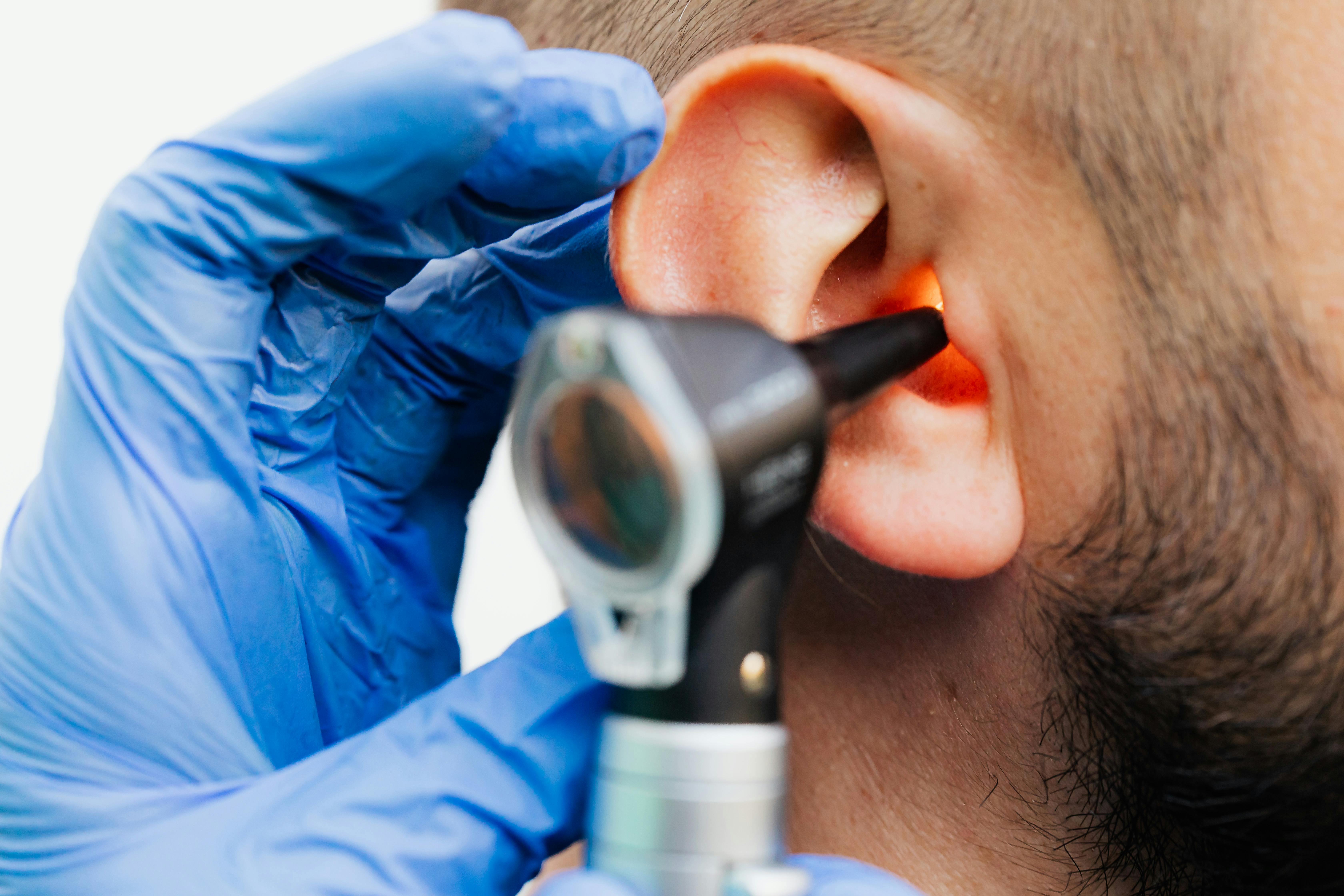
Hearing loss affects millions of adults worldwide, yet many individuals delay seeking assistance because they are unsure where to begin. Purchasing hearing aids directly from qualified professionals can streamline the process, ensuring that devices are accurately fitted, calibrated, and supported throughout their lifespan. This article outlines the key considerations, benefits, and steps involved in obtaining hearing aids from trusted experts, helping readers make an informed decision without the pressure of sales-driven environments.
Why Choose a Professional Source?
Acquiring hearing aids through a reputable professional offers several distinct advantages over generic online marketplaces:
- Comprehensive Audiological Assessment: Certified audiologists conduct thorough hearing tests to determine the type and degree of loss, which guides device selection.
- Personalized Fitting: Professionals customize the earmold or receiver-in-canal (RIC) design to match the unique anatomy of each ear, improving comfort and sound quality.
- Ongoing Support: Follow-up appointments address any issues, perform recalibrations, and provide maintenance advice.
- Regulatory Compliance: Devices sourced from licensed providers meet national safety standards and are eligible for government subsidies where applicable.
For a deeper dive into the importance of professional assessment, Read more about this topic.
Key Features to Evaluate
Technology Level
Modern hearing aids incorporate digital signal processing, noise reduction, and directional microphones. When reviewing options, consider:
- Digital vs. analog circuitry
- Connectivity options (Bluetooth, wireless streaming)
- Battery type (rechargeable vs. disposable)
Comfort and Discreetness
The physical design influences daily wearability:
- Behind-the-ear (BTE), in-the-ear (ITE), or completely-in-canal (CIC) styles
- Weight and material of the shell
- Ease of insertion and removal
To explore technical specifications in more detail, Learn more in this detailed guide.
Steps to Purchase Hearing Aids Directly
- Schedule an Audiological Evaluation: Book a hearing test with a licensed professional to obtain a diagnostic report.
- Discuss Lifestyle Needs: Share daily environments, such as noisy workplaces or quiet homes, to help the practitioner recommend suitable features.
- Trial Period: Many providers offer a risk-free trial, allowing users to experience the device before finalizing the purchase.
- Finalize Fit and Programming: Adjustments are made based on feedback, ensuring optimal amplification across frequencies.
- Arrange Ongoing Care: Set up regular check-ins for cleaning, software updates, and performance monitoring.
Cost Considerations and Funding Options
While hearing aids represent a significant investment, several avenues can reduce out-of-pocket expenses:
- Government subsidies and health insurance rebates
- Package deals that include accessories and warranties
- Financing plans offered by professional clinics
Understanding the full cost structure helps avoid unexpected fees later on. For additional financial guidance, Find additional information here.
Maintenance Best Practices
Proper care prolongs device lifespan and preserves sound quality. Follow these routine practices:
- Clean the microphone and receiver ports with a soft brush daily.
- Store hearing aids in a dehumidifier when not in use.
- Replace batteries or recharge according to manufacturer recommendations.
- Schedule professional cleaning and software checks at least twice a year.
Conclusion
Purchasing hearing aids directly from trusted professionals ensures that each device is tailored to the user’s specific auditory profile, offering superior performance, comfort, and long-term support. By understanding the evaluation process, key features, and maintenance requirements, individuals can confidently navigate the hearing aid market and achieve lasting improvements in communication and quality of life.
About the Author