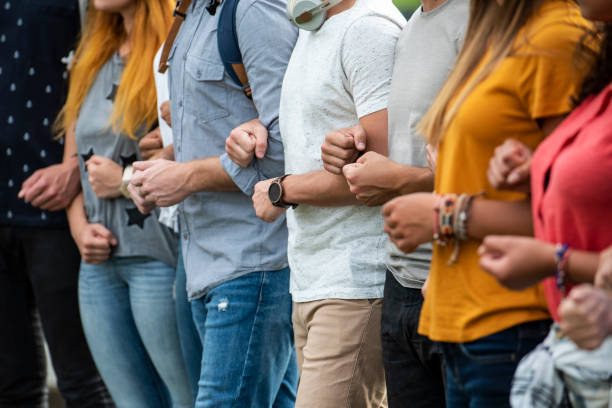
Human rights advocacy remains a pressing concern in today’s global society. Despite significant progress over the decades, numerous individuals and communities still face discrimination, persecution, and violations of their fundamental rights. Advocacy for human rights worldwide involves a multifaceted approach that includes legal frameworks, grassroots movements, and international cooperation. It is essential to understand the various dimensions of this advocacy to effectively contribute to the promotion and protection of human rights across the globe.
Understanding Human Rights
Human rights are the basic rights and freedoms that belong to every person in the world, from birth until death. They apply regardless of where one is from, what one believes, or how one chooses to live. These rights are based on shared values like dignity, fairness, equality, respect, and independence.
- Human rights are universal and inalienable.
- They are indivisible and interdependent.
- These rights are upheld by international laws and treaties.
For further insights into the foundational principles of human rights, find additional information here.
The Role of International Organizations
International organizations play a pivotal role in advocating for human rights. They monitor human rights violations, provide reports and recommendations, and support countries in implementing human rights standards.
Key Functions
- Monitoring and reporting on human rights conditions.
- Offering technical assistance and capacity-building to states.
- Facilitating dialogue and cooperation among nations.
To explore further insights on the role of international entities in human rights advocacy, read more about this topic.
Grassroots Movements and Their Impact
Grassroots movements are often at the forefront of human rights advocacy. These movements empower communities to stand up for their rights and bring about change from the ground up.
Characteristics of Grassroots Movements
- Community-driven and locally focused.
- Inclusive and representative of diverse voices.
- Utilize both traditional and digital platforms for mobilization.
Learn more in this detailed guide on how grassroots movements contribute to human rights advocacy by visiting this link.
Challenges in Human Rights Advocacy
Despite the efforts of numerous stakeholders, human rights advocacy faces significant challenges. Understanding these obstacles is crucial for developing effective strategies to overcome them.
Common Challenges
- Political and economic barriers that hinder progress.
- Limited resources and funding for advocacy initiatives.
- Resistance from governments and institutions with differing priorities.
For a comprehensive understanding of these challenges, explore further insights here.
Future of Human Rights Advocacy
The future of human rights advocacy relies on continued collaboration, innovation, and commitment. New technologies and global networks offer unprecedented opportunities to advance this cause.
Opportunities for Advancement
- Utilizing technology to document and report human rights abuses.
- Building stronger alliances and coalitions across sectors.
- Engaging youth and marginalized communities in advocacy efforts.
For more on the future directions of human rights advocacy, learn more here.
About the Author