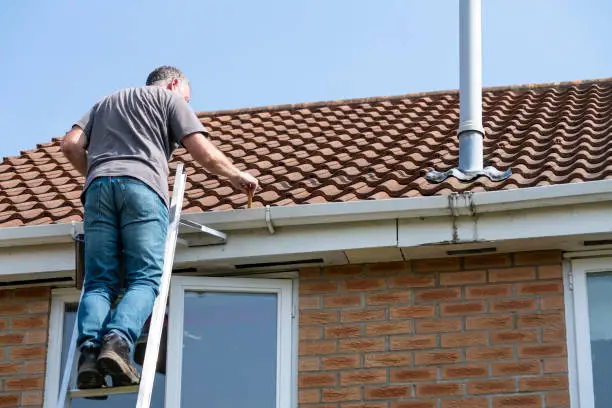
When it comes to maintaining the integrity and safety of your home, few aspects are as crucial as ensuring the health of your chimney. A well-maintained chimney not only facilitates effective heating but also prevents potential hazards such as fires and carbon monoxide poisoning. Finding a chimney repair contractor you can count on is essential for peace of mind and optimal functionality. This guide will explore key considerations for selecting a reliable contractor, the benefits of regular maintenance, and what to expect during a chimney repair process.
Identifying a Reliable Chimney Repair Contractor
Choosing the right contractor can significantly impact the longevity and safety of your chimney. Here are some factors to consider:
- Experience and Reputation: Look for a contractor with a proven track record and positive reviews. This can be an indicator of their expertise and reliability.
- Certification and Licensing: Ensure the contractor holds the necessary certifications and licenses. These credentials demonstrate adherence to industry standards and regulations.
- Comprehensive Services: Opt for contractors who offer a wide range of services, from inspections to repairs and maintenance. Discover expert strategies here.
- Insurance Coverage: Confirm that the contractor has adequate insurance to protect against potential liabilities during the repair process.
Benefits of Regular Chimney Maintenance
Regular chimney maintenance is a proactive approach to ensuring safety and efficiency. Here are some key benefits:
- Prevention of Chimney Fires: Accumulated creosote is a leading cause of chimney fires. Regular cleaning helps mitigate this risk.
- Enhanced Heating Efficiency: A clean and well-maintained chimney improves the draft and efficiency of your heating system.
- Extended Lifespan: Routine inspections and maintenance can identify potential issues early, preventing costly repairs and extending the life of the chimney. Learn about our tailored solutions.
Steps Involved in Chimney Repair
Understanding the process of chimney repair can help set expectations and ensure the contractor is meeting industry standards. Here”?s an overview of typical steps involved:
Inspection and Assessment
The first step in any chimney repair process is a thorough inspection. The contractor will assess the extent of any damage and recommend necessary repairs. This step is crucial for identifying underlying issues that may not be immediately visible.
Cleaning and Preparation
Before repairs begin, the chimney will be cleaned to remove soot, debris, and creosote. This ensures a safe and clean working environment and helps in identifying all areas that need attention.
Repair and Restoration
Depending on the findings, the contractor will proceed with the necessary repairs. This may include:
- Replacing or repairing damaged bricks and mortar.
- Installing or repairing the chimney liner.
- Fixing issues with the chimney cap or crown to prevent water damage.
- Addressing any structural concerns to enhance the overall stability and safety. Explore advanced guides and tips.
Final Inspection and Maintenance Tips
Once repairs are complete, a final inspection ensures all issues have been addressed. The contractor will also provide maintenance tips to help homeowners keep their chimneys in optimal condition.
Conclusion
Ensuring the safety and efficiency of your chimney is a critical component of home maintenance. By selecting a reliable chimney repair contractor and adhering to regular maintenance schedules, homeowners can enjoy peace of mind and warmth throughout the colder months. For those seeking guidance on maintaining their chimneys, find out more about this approach. It is a wise investment in the safety and longevity of the home.
About the Author


