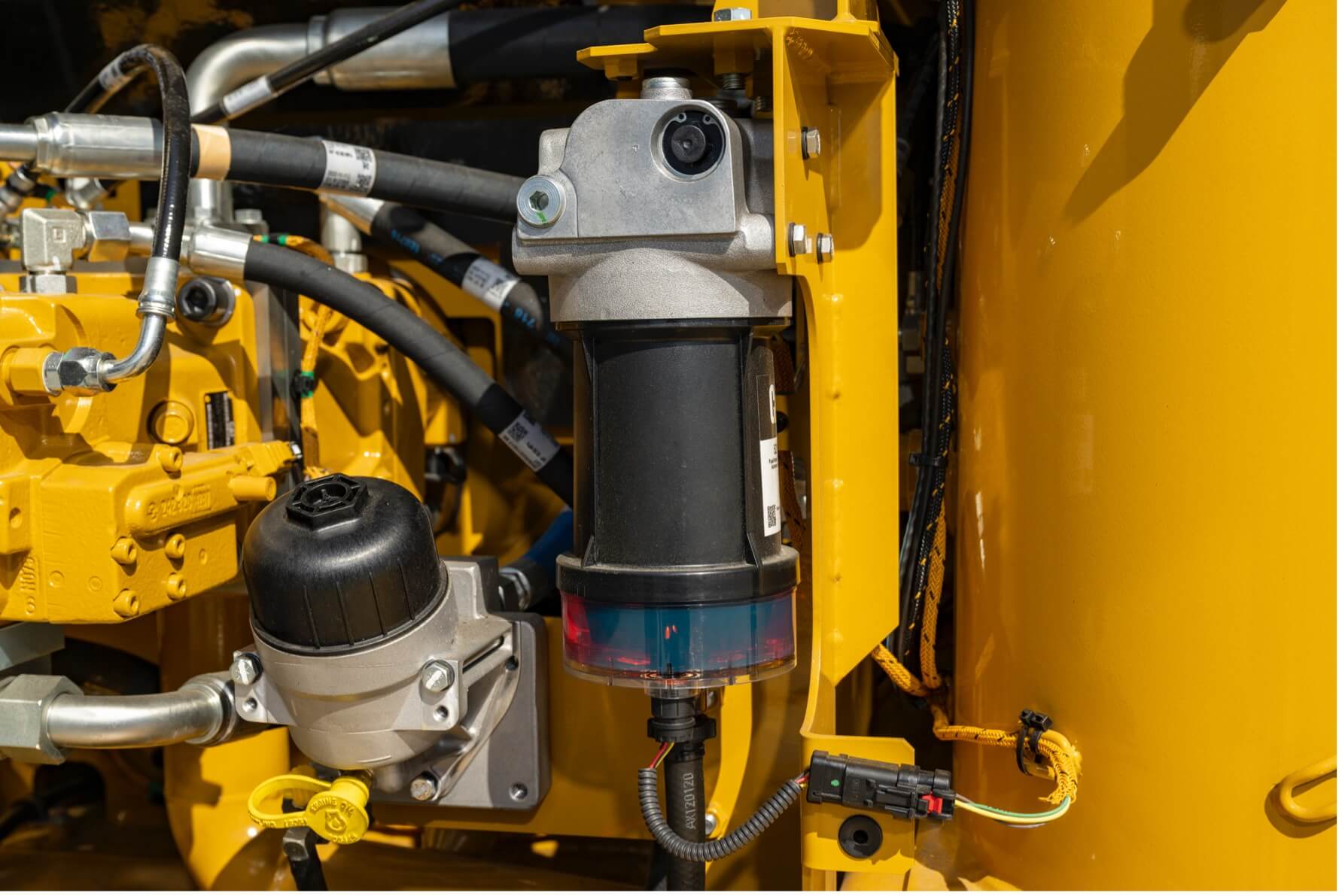
Hydraulic lift cylinders are essential components in a wide range of industrial applications, from construction machinery to automotive lifts. Despite their robust design, these cylinders are susceptible to various issues that can affect the efficiency and safety of operations. Understanding common problems and their solutions can help ensure the longevity and reliability of hydraulic systems. This article explores prevalent issues with hydraulic lift cylinders and offers practical solutions to address them.
Leaks in Hydraulic Lift Cylinders
One of the most common problems with hydraulic lift components is leakage. Leaks can significantly impair the effectiveness of the hydraulic system and may result from several factors, including:
- Worn Seals: Over time, seals can degrade due to constant pressure and friction. Regular maintenance and timely replacement of seals can prevent this issue.
- Damaged Cylinder: Physical damage to the cylinder or its components can result in leaks. Conducting routine inspections can help identify and address damage early.
- Incorrect Installation: Improper installation can lead to misalignment, causing stress on seals and connections. Ensuring proper installation and alignment is crucial.
Contamination in Hydraulic Systems
Contamination is another frequent issue that can cause significant damage to hydraulic equipment. Dirt, water, and other contaminants can enter the hydraulic system, leading to erosion, corrosion, and wear. To mitigate contamination, consider the following preventive measures:
- Use Quality Filters: Installing high-quality filters can help catch contaminants before they enter the hydraulic system.
- Regular Oil Changes: Periodic replacement of hydraulic fluid can prevent the buildup of contaminants and maintain the efficiency of the system.
- Seal Inspection: Regularly check seals for wear and replace them as needed to prevent external contaminants from entering the system.
Overheating of Hydraulic Cylinders
Hydraulic lift cylinders can overheat due to excessive use or inadequate cooling mechanisms. Overheating can result in thermal expansion, leading to leaks and reduced performance. Address overheating by implementing the following strategies:
- Optimize System Design: Ensure that the hydraulic system is designed with adequate cooling capacity to handle the thermal load during operation.
- Use Appropriate Fluids: Selecting the right hydraulic fluid can help dissipate heat more effectively, reducing the risk of overheating.
- Monitor Temperature Levels: Implement temperature monitoring to detect overheating early and take corrective actions promptly.
Inadequate Pressure in Hydraulic Systems
Insufficient pressure can severely impact the functioning of lift hydraulics. It can result from several factors, including:
- Pump Malfunction: A faulty pump may not generate adequate pressure. Regular maintenance checks can help identify and fix pump issues.
- Fluid Loss: Leaks or inadequate hydraulic fluid levels can lead to pressure drops. Ensure the system is leak-free and fluid levels are maintained.
- Obstructions: Blockages in the hydraulic lines can restrict fluid flow, causing pressure issues. Regular cleaning and inspection of lines can prevent this.
Conclusion
Addressing common issues with hydraulic lift cylinder systems is crucial for maintaining their functionality and efficiency. By understanding the causes of these problems and implementing preventive measures, operators can enhance the performance and longevity of hydraulic systems. Regular maintenance, timely inspections, and using the right components are key to avoiding potential pitfalls and ensuring the reliable operation of hydraulic lifts.
About the Author