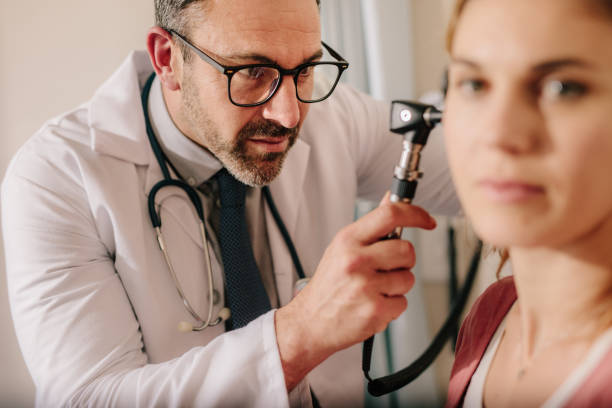
Hearing care is an essential aspect of overall health and well-being. With the advancements in technology and medical research, comprehensive hearing care solutions are more accessible and effective than ever before. However, finding the right services nearby can sometimes be challenging. This article explores the various components of hearing care, from diagnosis to treatment options, and provides guidance on how to locate quality services in your area. Whether you are searching for routine check-ups or more specialized care, understanding the available options is crucial for maintaining healthy hearing.
Understanding Comprehensive Hearing Care
Comprehensive hearing care involves a multi-faceted approach to diagnosing, treating, and managing hearing loss and related conditions. It typically includes the following components:
- Assessment and Diagnosis: Initial evaluations by audiologists or hearing specialists to determine the extent and nature of hearing loss.
- Treatment: Depending on the diagnosis, treatment may involve hearing aids, cochlear implants, or other assistive listening devices.
- Rehabilitation: Post-treatment support such as auditory training, counseling, and support groups to help individuals adjust to new devices and improve communication skills.
- Follow-Up Care: Regular check-ups to monitor hearing health and make necessary adjustments to treatment plans.
Explore further insights here to understand more about comprehensive hearing care approaches.
Types of Hearing Care Providers
Identifying the right hearing care provider is crucial for effective treatment and management of hearing issues. Various professionals are involved in delivering these services:
Audiologists
Audiologists are healthcare professionals specializing in diagnosing and treating hearing and balance disorders. They play a critical role in:
- Conducting detailed hearing assessments.
- Providing and fitting hearing aids.
- Offering counseling and auditory rehabilitation.
Learn more in this detailed guide about the role of audiologists in hearing care.
Hearing Instrument Specialists
These professionals focus on fitting and maintaining hearing aids for individuals with hearing loss. Their responsibilities include:
- Performing hearing tests to evaluate the need for hearing aids.
- Recommending appropriate hearing aids based on individual needs.
- Providing ongoing support and maintenance for hearing devices.
Technological Advancements in Hearing Care
The field of hearing care has seen significant technological advancements, greatly enhancing the quality of life for those with hearing impairment. Some of these advancements include:
- Digital Hearing Aids: Offering improved sound quality and more precise sound amplification.
- Cochlear Implants: Providing auditory signals directly to the auditory nerve for those with severe hearing loss.
- Assistive Listening Devices: Helping individuals in specific environments like classrooms or theaters.
Read more about this topic to discover how technology is transforming hearing care solutions.
Finding Hearing Care Solutions Near You
Locating the right hearing care solutions in your area is essential for timely and effective treatment. Consider the following steps:
- Research local providers and read about the services they offer.
- Seek recommendations from healthcare professionals or trusted sources.
- Verify the credentials and experience of the hearing care providers.
For those looking to locate hearing care services, find additional information here to aid in your search.
In conclusion, comprehensive hearing care solutions are vital for maintaining and improving hearing health. By understanding the various aspects of hearing care and knowing how to find reliable services nearby, individuals can take proactive steps towards better hearing and, consequently, a better quality of life.
About the Author


