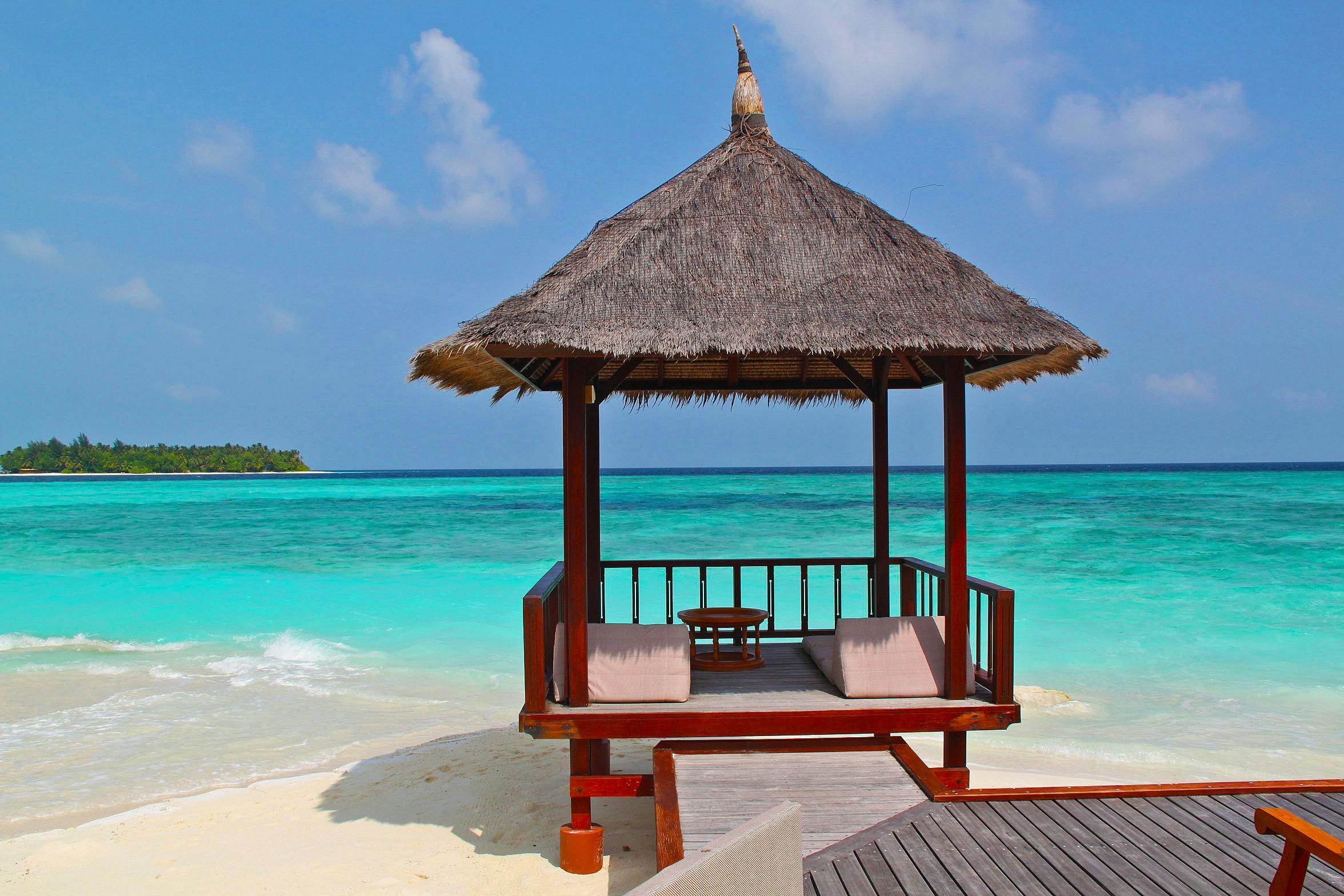
Synthetic thatch roofing is rapidly gaining popularity as a versatile and sustainable solution for enhancing the aesthetic appeal of gazebos. Combining the traditional charm of natural thatch with modern advancements in materials, synthetic thatch offers numerous benefits that make it an attractive choice for homeowners and designers alike. This article explores the beauty and practicality of synthetic thatch roofing, providing insights into its advantages, design possibilities, and maintenance requirements.
Understanding Synthetic Thatch Roofing
Synthetic thatch roofing is crafted from high-quality polyethylene materials, designed to mimic the look and feel of natural thatch. Unlike organic thatch, which requires frequent maintenance and replacement, synthetic alternatives offer a long-lasting, durable solution. These materials are UV resistant, ensuring they do not fade or deteriorate under harsh sunlight.
Advantages of Synthetic Thatch
- Durability: Synthetic thatch is designed to withstand extreme weather conditions, including heavy rain, strong winds, and intense sunlight.
- Low Maintenance: Unlike natural thatch, synthetic options do not require regular upkeep, significantly reducing long-term maintenance costs.
- Eco-Friendly: Many synthetic thatch products are made from recyclable materials, contributing to environmental sustainability.
- Fire Resistance: Synthetic thatch is often treated with fire retardants, offering enhanced safety compared to natural thatch.
For those interested in exploring the benefits further, read more about this topic.
Design Versatility of Synthetic Thatch
One of the significant advantages of synthetic thatch roofing is its design versatility. It can be customized to fit a wide range of architectural styles, from tropical and rustic to contemporary designs. Whether you’re aiming for a beachside retreat or a cozy garden oasis, synthetic thatch can complement various design aesthetics.
Customization Options
- Variety of Colors: Synthetic thatch is available in multiple colors, allowing for customization to match the specific design needs of your gazebo.
- Different Textures: Choose from a range of textures to achieve the desired level of authenticity and charm.
- Flexible Installation: Synthetic thatch can be easily installed over different roof shapes and sizes, providing flexibility in design.
For more detailed guidance on incorporating synthetic thatch into your projects, learn more in this detailed guide.
Maintenance and Longevity
One of the most appealing aspects of synthetic thatch is its minimal maintenance requirements. While natural thatch may need regular attention to prevent decay and damage, synthetic thatch is designed to last for decades with little to no upkeep. This longevity makes it a cost-effective investment for any gazebo project.
Care Tips
- Routine Cleaning: Occasional cleaning with water can help maintain its appearance, but synthetic thatch generally resists dirt and debris.
- Inspection: Periodic inspections ensure that the roof remains in optimal condition and catch any potential issues early.
- Replacement: Unlike natural thatch, synthetic options rarely need replacement, providing peace of mind for long-term investments.
For further insights into maintaining synthetic thatch roofing, explore further insights here.
Conclusion
Synthetic thatch roofing is a remarkable innovation that combines the timeless beauty of traditional thatch with the durability and convenience of modern materials. Its advantages in terms of longevity, low maintenance, and design flexibility make it an excellent choice for gazebo projects. Whether you’re looking to create a serene outdoor space or a visually appealing focal point in your garden, synthetic thatch offers a solution that is both practical and aesthetically pleasing.
To explore all the possibilities that synthetic thatch can offer, find additional information here.
About the Author