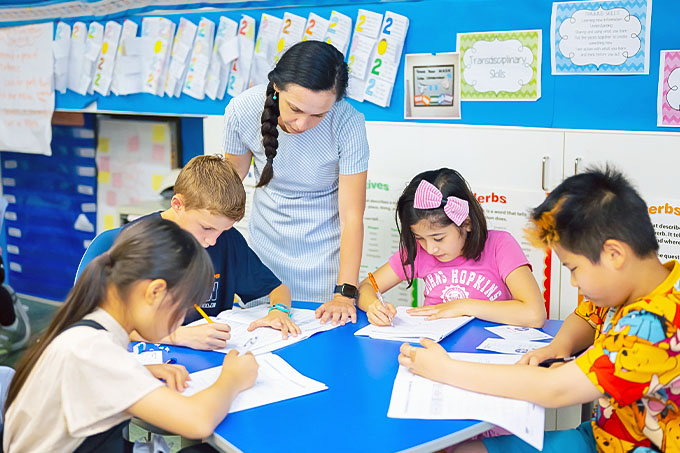
Finding a quality elementary school in Tokyo can be a daunting task for parents who want to ensure the best educational foundations for their children. With a myriad of options, each offering diverse curriculums and environments, it’s crucial to have a comprehensive understanding of what to consider in your selection process. This article aims to guide you through the essential factors to consider when evaluating elementary schools in Tokyo, offering insights into educational standards, school environments, and important resources for deeper exploration.
Understanding the Educational Landscape
Tokyo hosts a variety of elementary schools, ranging from public to private institutions, each providing distinct educational philosophies and curriculums. Understanding these differences is imperative for making an informed decision.
- Public Schools: Generally follow the national curriculum set by the Ministry of Education, Culture, Sports, Science and Technology (MEXT). These schools are known for their structured approach and emphasis on comprehensive education.
- Private Schools: Offer more diverse and flexible curriculums. They often incorporate international educational standards, providing bilingual or even trilingual programs.
- International Schools: These schools cater to expatriate families and offer curriculums based on systems from countries like the United States, the United Kingdom, and the International Baccalaureate.
For further insights into the educational approaches adopted by various schools, explore further insights here.
Evaluating School Environment and Culture
Beyond academic offerings, the environment and culture of a school significantly impact a child’s development. Consider the following factors when assessing a school’s environment:
- Class Size: Smaller class sizes can offer more personalized attention from teachers, fostering a supportive learning environment.
- Facilities: Modern facilities, including libraries, science labs, and sports complexes, contribute to a well-rounded education.
- Extracurricular Activities: Participation in sports, arts, and clubs can enhance social skills and personal development.
- Community Engagement: Schools that encourage parental involvement often create a stronger community, which can enhance the educational experience.
To learn more about how these elements contribute to school culture, read more about this topic.
Key Considerations in Decision Making
Location and Accessibility
The location of the school is crucial for daily commuting convenience. Consider schools that are easily accessible via public transportation or within a reasonable distance from home.
Cost and Financial Considerations
While public schools typically have lower costs, private and international schools can be significantly more expensive. Assess the long-term financial commitment and explore scholarship opportunities if needed.
Language and Cultural Integration
For non-native Japanese families, an international school might be more suitable to ease the transition into a new culture. Alternatively, some local schools offer bilingual programs to support language acquisition.
For a detailed guide on choosing the right environment for your child, learn more in this detailed guide.
Conclusion
Choosing the right elementary school in Tokyo involves careful consideration of various factors, from educational philosophies to school culture and financial implications. By evaluating these aspects, parents can make informed decisions that align with their educational values and goals for their children. Whether opting for a public, private, or international school, each choice offers unique benefits that cater to different family needs. Find additional information here to assist you in this important journey.
About the Author