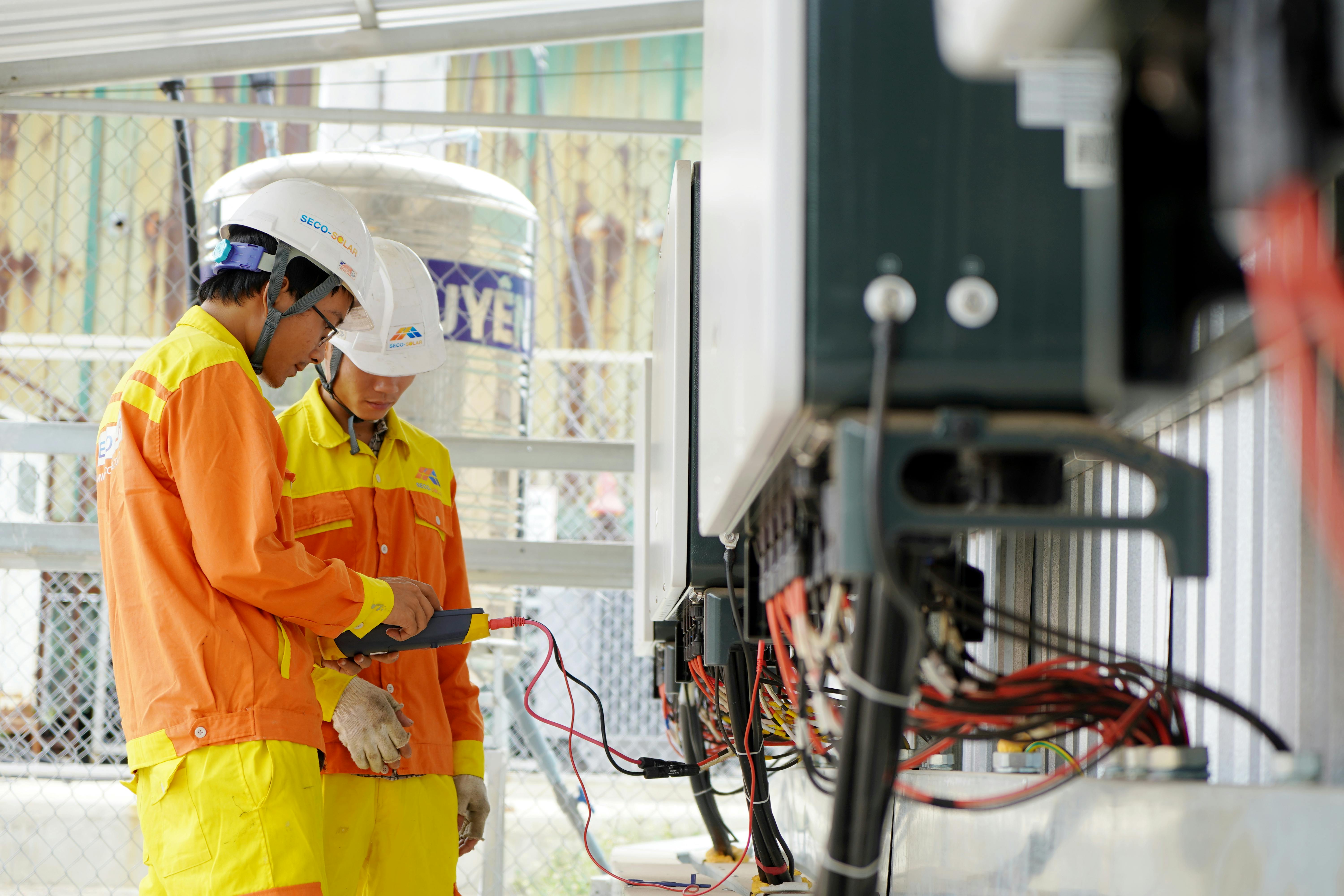
Electrical systems are the backbone of both residential homes and commercial facilities, ensuring safety, efficiency, and comfort. In a growing city like Brisbane, the demand for skilled electricians who can navigate complex wiring, comply with strict regulations, and adapt to evolving technology is higher than ever. This article explores the essential qualities, responsibilities, and best practices of experienced residential and commercial electricians operating in Brisbane, offering insight into the standards that define professional electrical work.
Core Competencies of a Qualified Electrician
Technical Knowledge and Certification
- Completion of an accredited apprenticeship or vocational training program.
- Holding a valid electrical licence issued by the Queensland Electrical Safety Office.
- Understanding of the Australian/New Zealand Wiring Rules (AS/NZS 3000).
- Familiarity with emerging technologies such as smart home integration and renewable energy systems.
Regulatory Compliance
- Adherence to local building codes and safety standards.
- Regular participation in continuing education to stay current with legislative changes.
- Documentation of all work through proper testing reports and certification of compliance.
Residential Electrical Services
Homeowners in Brisbane rely on electricians for a range of tasks, from routine maintenance to major installations. Key residential services include:
- Installation and upgrading of lighting fixtures, switches, and power outlets.
- Electrical rewiring for older properties to meet modern safety standards.
- Setup of dedicated circuits for high-load appliances such as air conditioners, electric ovens, and pool pumps.
- Implementation of home automation systems, including smart lighting, security, and energy monitoring.
For a deeper dive into residential wiring best practices, Read more about this topic.
Safety Considerations in the Home
- Use of Residual Current Devices (RCDs) to protect against electric shock.
- Installation of circuit breakers sized appropriately for each circuit’s load.
- Regular inspection of outdoor wiring and weather-exposed connections.
- Ensuring all work complies with the Queensland Electrical Safety Act.
Commercial Electrical Services
Commercial premises present distinct challenges, requiring electricians to manage larger loads, complex distribution systems, and stringent compliance requirements.
- Design and installation of three-phase power distribution for offices, retail spaces, and industrial facilities.
- Integration of energy-efficient lighting solutions such as LED retrofit projects.
- Installation of emergency power systems, including generators and Uninterruptible Power Supplies (UPS).
- Implementation of data and communication cabling that meets Australian Standards for structured wiring.
To explore the nuances of commercial electrical design, Learn more in this detailed guide.
Key Compliance Areas for Commercial Work
- Compliance with the Workplace Health and Safety (WHS) Act and related regulations.
- Regular testing and certification of fire alarm and emergency lighting systems.
- Documentation of all installations in accordance with the Electrical Safety Regulation.
- Coordination with building inspectors and other trade professionals during construction phases.
Best Practices for Ongoing Maintenance
Whether for a family home or a multi-storey office building, regular maintenance extends the lifespan of electrical systems and reduces the risk of failure.
- Schedule periodic inspections to identify wear, corrosion, or outdated components.
- Perform load testing on circuits to ensure they are not overloaded.
- Update software and firmware for smart devices and energy management systems.
- Maintain a log of all service activities, including dates, findings, and corrective actions.
Additional guidelines on maintenance schedules can be found at Explore further insights here.
Emerging Trends Shaping Electrical Work in Brisbane
Renewable Energy Integration
Solar photovoltaic (PV) installations and battery storage are becoming commonplace in both residential and commercial sectors. Electricians must be proficient in:
- Designing inverter connections that comply with grid-interconnection standards.
- Implementing safety disconnects and surge protection devices.
- Coordinating with energy retailers for feed-in tariff arrangements.
Smart Home and Building Automation
The rise of IoT devices demands electricians who can:
- Configure wireless protocols (Zigbee, Z-Wave, Wi-Fi) for seamless device communication.
- Integrate centralized control panels that manage lighting, HVAC, and security.
- Ensure cybersecurity best practices are applied to networked electrical equipment.
For a comprehensive overview of automation trends, Find additional information here.
Conclusion
An experienced electrician in Brisbane brings together rigorous technical training, strict adherence to safety and regulatory standards, and an ability to adapt to new technologies. By focusing on both residential and commercial competencies, maintaining a proactive maintenance schedule, and staying informed about industry trends, electricians can deliver reliable, safe, and efficient electrical solutions that meet the diverse needs of the city’s occupants.
About the Author


