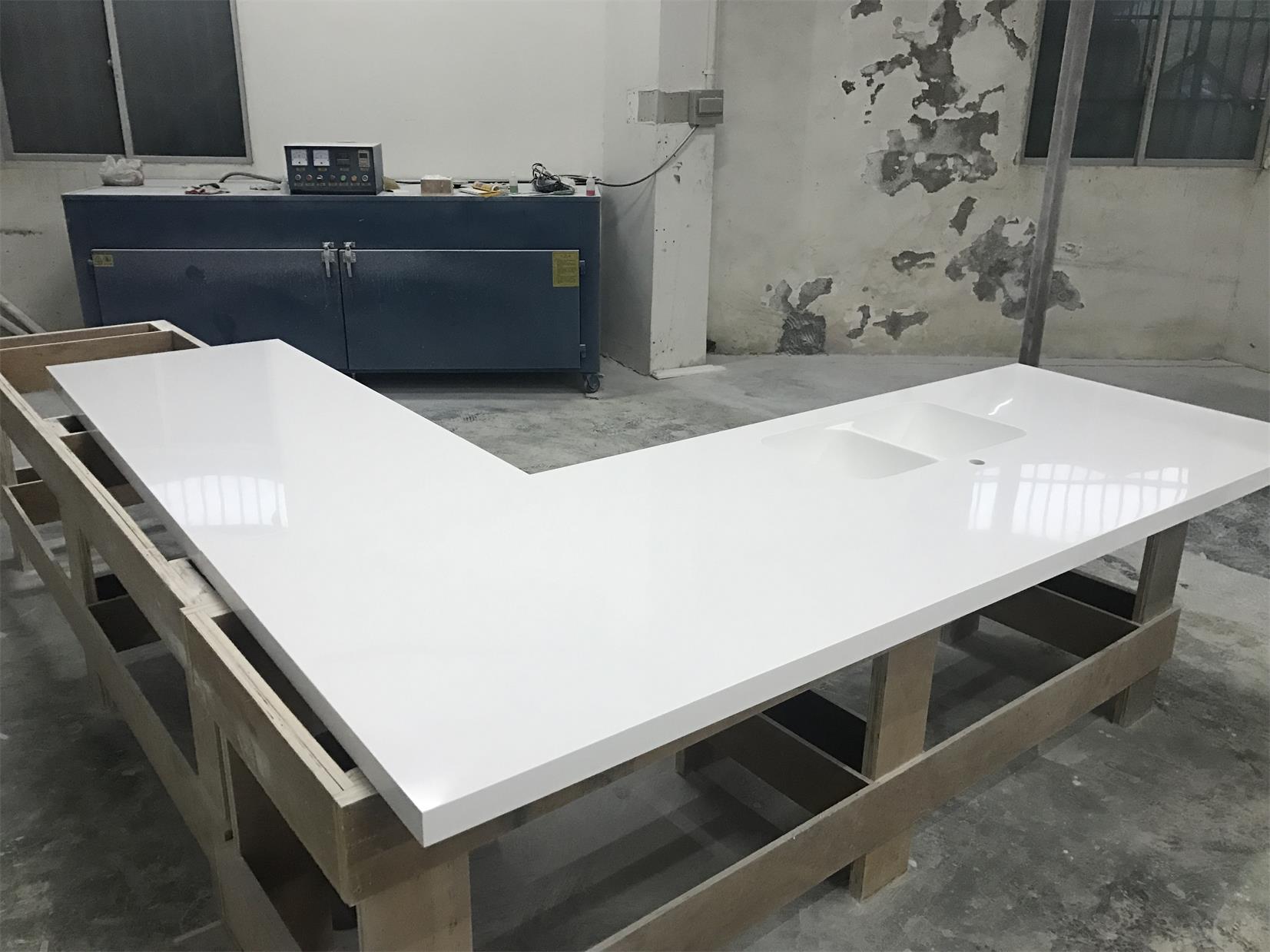
In the ever-evolving world of architecture and interior design, the choice of materials plays a pivotal role in shaping the aesthetics and functionality of a space. Among these, solid surface materials have emerged as a popular option due to their versatility, durability, and seamless appearance. Whether for residential or commercial applications, these materials can significantly transform spaces, offering both practical benefits and design flexibility.
Understanding Solid Surface Materials
Solid surface materials, often used in countertops, wall cladding, and furniture, are engineered materials composed of a blend of natural minerals and acrylic resins. This composition allows for a non-porous, hygienic, and easily maintainable surface.
Key Benefits
- Durability: Resistant to stains, scratches, and moisture, making them ideal for high-traffic areas.
- Seamless Design: Joints are practically invisible, allowing for a smooth, continuous surface.
- Customizability: Available in a wide range of colors and finishes, adaptable to any design vision.
- Repairable: Damages can often be repaired with a simple sanding and polishing.
For those interested in exploring the practical applications of these materials, discover expert strategies here to integrate them seamlessly into your design projects.
Applications in Residential Spaces
Solid surface materials are increasingly popular in homes, where they are used to create beautiful and functional kitchen countertops, bathroom vanities, and even furniture.
Kitchen and Bathrooms
- Countertops: Their non-porous nature makes them resistant to bacteria and easy to clean, essential for kitchen and bathroom surfaces.
- Sinks and Basins: Integrated sinks crafted from solid surfaces eliminate seams where dirt and residues can accumulate.
- Walls and Backsplashes: Offers a cohesive look and easy maintenance.
To ensure the best results when incorporating solid surfaces into your home, learn about our tailored solutions for residential spaces.
Commercial Applications
In commercial environments, durability and aesthetic appeal are crucial. Solid surface materials meet these demands and are used extensively in retail, healthcare, and hospitality settings.
Retail and Hospitality
- Reception Desks: Offers a striking first impression with customizable design options.
- Table Tops and Bars: Combines durability with an elegant finish, crucial for high-use areas.
- Display Shelves: Provides a modern look while being practical and long-lasting.
For commercial spaces seeking innovative and durable solutions, explore advanced guides and tips to enhance functionality and design.
Environmental Impact and Sustainability
As sustainability becomes a critical aspect of design, the eco-friendliness of solid surface materials is a significant advantage. Many brands are committed to producing these materials with minimal environmental impact, using recycled content and sustainable manufacturing processes.
- Recyclable Content: Many solid surfaces can be recycled at the end of their life cycle.
- Low Emissions: Manufacturing processes are often designed to minimize volatile organic compound emissions.
To make informed decisions about sustainable material options, find out more about this approach to eco-friendly design.
In conclusion, solid surface materials offer a versatile, durable, and aesthetically pleasing option for both residential and commercial spaces. Their ability to adapt to various design needs, coupled with their durability and sustainability, makes them an excellent choice for those looking to enhance their environments. By understanding the properties and applications of these materials, designers and homeowners alike can create spaces that are not only beautiful but also highly functional.
About the Author