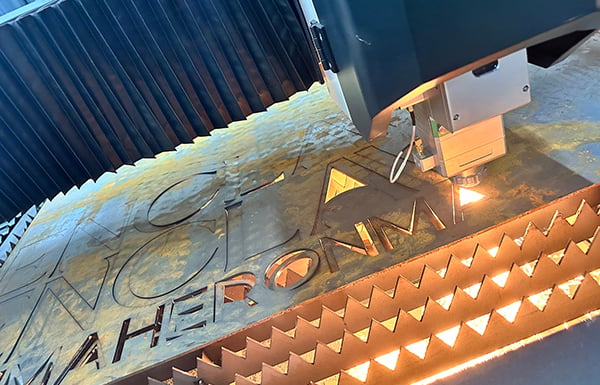
In the realm of construction, safety is paramount. A significant component of ensuring a safe work environment is utilizing quality construction safety signs. These signs play a crucial role in alerting workers and visitors to potential hazards, guiding them through safe practices, and ensuring compliance with regulatory standards. With the right safety signage, the risk of accidents and injuries can be significantly reduced, promoting a culture of safety and awareness on any construction site.
The Importance of Construction Safety Signs
Construction safety signs are not merely a regulatory requirement; they are essential tools for risk management. These signs serve various purposes, including:
- Hazard Identification: Clearly mark areas with potential safety risks to prevent accidents.
- Regulatory Compliance: Ensure adherence to OSHA standards and other safety regulations.
- Information Dissemination: Provide critical information quickly and effectively.
- Emergency Guidance: Offer directions during emergencies to facilitate safe evacuation.
Key Considerations for Effective Safety Signage
Design and Visibility
The design of a safety sign significantly impacts its effectiveness. Key design considerations include:
- Color and Contrast: Use high-contrast colors to ensure visibility from a distance.
- Size and Placement: Choose appropriate sizes and strategic placements to maximize visibility.
- Clarity and Simplicity: Ensure that the message is straightforward and easy to understand.
- Durability: Opt for materials that withstand harsh environmental conditions.
For further insights into designing effective safety signage, explore advanced guides and tips.
Compliance with Industry Standards
Adhering to established safety standards is critical. Construction safety signs must align with guidelines such as those provided by OSHA. This includes:
- Proper Symbol Usage: Utilize universally recognized symbols for quick comprehension.
- Text Specifications: Follow recommended font sizes and styles for legibility.
- Consistent Updates: Regularly update signs to reflect any changes in site conditions or regulations.
Learn about our tailored solutions for compliance with industry standards.
Enhancing Site Safety with Expert Strategies
Integrating Technology
The integration of technology can greatly enhance the effectiveness of construction safety signs. Innovations include:
- Digital Signage: Use digital displays for dynamic and context-specific messaging.
- QR Codes: Provide quick access to detailed safety information via mobile devices.
- Smart Sensors: Implement sensors that trigger alerts and updates based on environmental changes.
To discover expert strategies for integrating technology into safety signage, discover expert strategies here.
Continuous Training and Evaluation
Regular training and evaluation are essential for maintaining the effectiveness of safety signs. This involves:
- Regular Safety Drills: Conduct drills to ensure everyone knows how to respond to signage.
- Feedback Mechanisms: Gather feedback from site personnel to identify areas for improvement.
- Periodic Reviews: Regularly assess and update safety signage to reflect current site conditions.
For more information on maintaining effective safety practices, find out more about this approach.
In conclusion, prioritizing safety through the implementation of quality construction safety signs is vital for any construction project. By focusing on effective design, compliance, technological integration, and continuous evaluation, construction sites can significantly enhance safety and ensure a secure working environment. For comprehensive safety solutions, discover expert strategies here.
About the Author