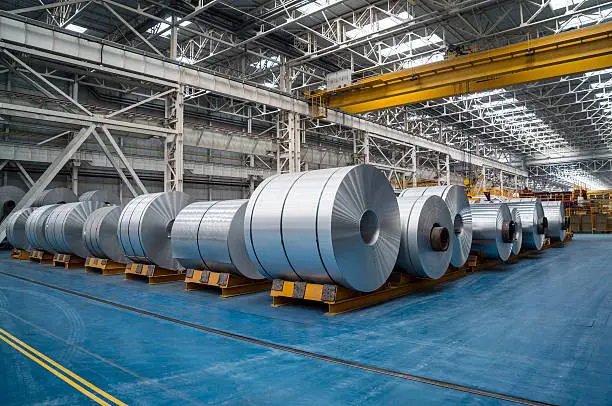
In the competitive landscape of manufacturing, quality control in die casting holds significant importance. Particularly in regions like China, recognized globally for its industrial prowess, ensuring high-quality standards in aluminum die casting China is crucial. The process of die casting involves the high-pressure injection of molten metal into molds, resulting in precise and complex parts. As such, understanding the nuances of quality control within this sector can lead to better product outcomes, reduced waste, and increased customer satisfaction.
Understanding the Die Casting Process
Die casting is a versatile process for producing engineered metal parts by forcing molten metal under high pressure into reusable steel molds. These molds, known as dies, can produce complex shapes with high levels of accuracy and repeatability. The process is widely used for the aluminium die casting of components.
Key Elements of Quality Control
To ensure the highest quality in die casting China, several elements must be meticulously managed:
- Material Selection: Choosing the right aluminium alloy casting is foundational. The alloy’s properties will affect the final product’s strength, durability, and performance.
- Machine Calibration: Precision in machine settings ensures consistency in the output, minimizing defects and material waste.
- Mold Design: Proper design and maintenance of molds are critical to achieving desired shapes and reducing production errors.
- Temperature Control: Maintaining optimal temperatures for both the molten metal and the molds is vital to prevent defects such as porosity or incomplete fills.
- Inspection and Testing: Regular inspections and testing at various stages help in early detection of defects, ensuring that only high-quality products progress through the production line.
Common Challenges in Quality Control
Despite advancements in technology and processes, several challenges remain inherent in the die casting industry:
- Porosity: This refers to the presence of voids within the cast part, often resulting from air trapped during the casting process. Effective quality control measures can significantly reduce its occurrence.
- Surface Finish Defects: Maintaining a smooth surface finish is vital for parts used in aesthetic or functional applications. Variations in temperature or contamination can lead to surface imperfections.
- Dimensional Variability: Consistent dimensions are crucial, especially in parts like an aluminium die cast rotor, which must fit precisely within mechanical systems.
Technological Advances in Quality Control
The incorporation of technology in die casting has transformed quality control processes, leading to more efficient and accurate results. Some notable advancements include:
- Automated Monitoring Systems: These systems provide real-time monitoring and adjustments, reducing human error and improving consistency.
- Advanced Imaging Techniques: Techniques such as X-ray and CT scanning allow for non-destructive testing, revealing internal defects without compromising the part.
- Data Analytics: Leveraging data from production processes helps in identifying patterns and predicting potential defects, allowing for proactive quality control measures.
Conclusion
Quality control in die casting is a multifaceted endeavor requiring attention to detail, advanced technology, and a deep understanding of materials and processes. By focusing on critical aspects such as material selection, machine calibration, and regular inspection, manufacturers can produce high-quality aluminium casting parts that meet stringent industry standards. As technology continues to evolve, the ability to maintain and improve quality control will play a pivotal role in the success of the aluminium die casting factory landscape, particularly in regions renowned for their manufacturing capabilities like China.
About the Author