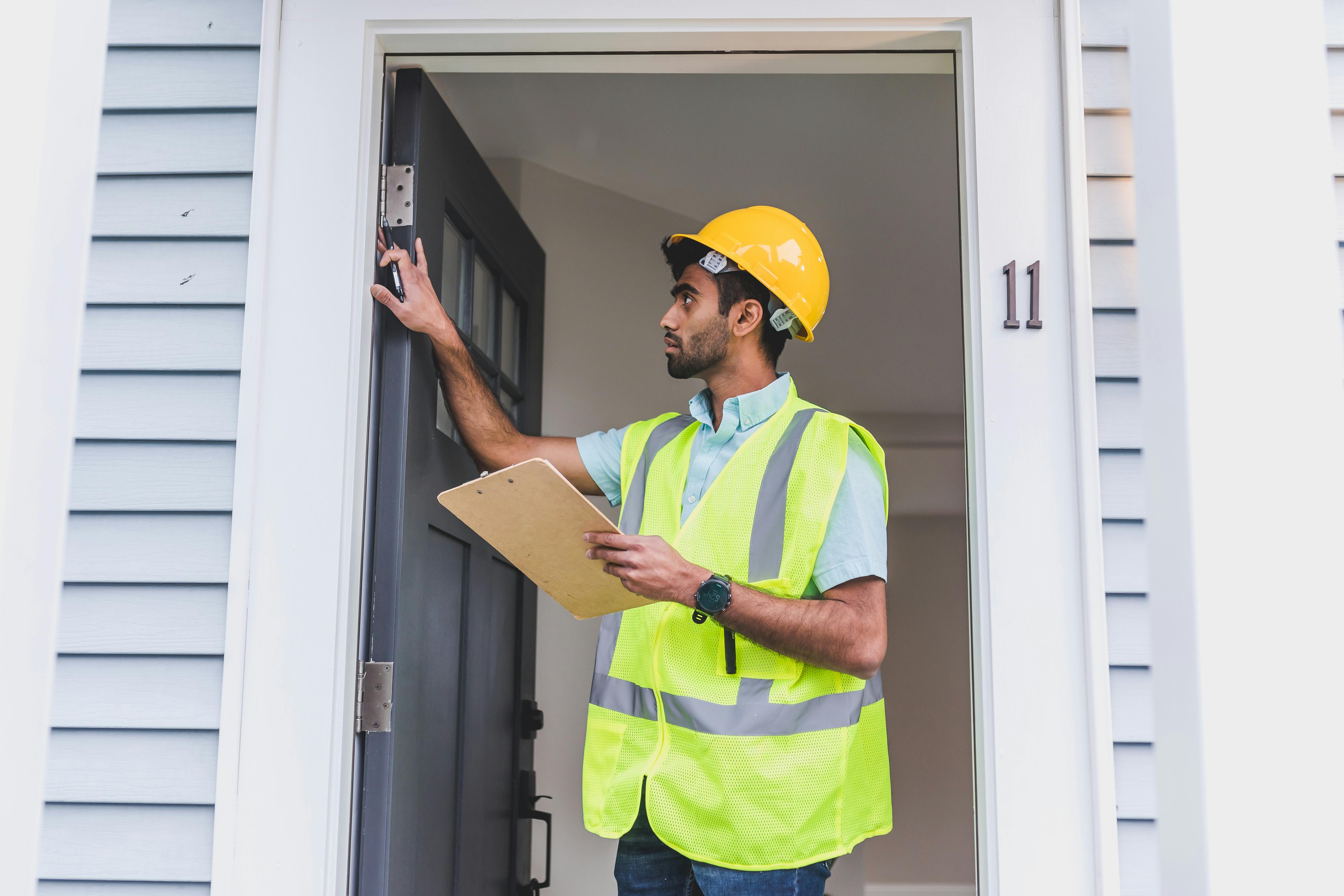
Lead paint removal is a critical service that ensures the safety and well-being of inhabitants in older buildings. Due to the health risks associated with lead exposure, especially in children and pregnant women, it is essential to rely on professional services that guarantee safe and effective removal. The process involves precise techniques and specialized knowledge to prevent contamination and ensure compliance with health regulations. This article unpacks the vital components of lead paint removal and highlights the importance of choosing the right services.
Understanding Lead Paint Hazards
Lead paint was commonly used in homes before its dangers were widely recognized. Exposure to lead can cause severe health problems, including neurological damage and developmental issues. Understanding the hazards associated with lead paint is crucial for homeowners and property managers. Here are key points to consider:
- Lead paint is most dangerous when it is deteriorating, such as peeling or chipping.
- Even intact lead paint can pose risks if disturbed during renovations.
- Children are particularly vulnerable to lead poisoning, which can affect brain development.
- Pregnant women exposed to lead can pass it to their unborn child, leading to birth defects.
For a deeper understanding of lead paint hazards, discover expert strategies here.
Key Steps in Safe Lead Paint Removal
Assessment and Testing
Before any removal begins, a thorough assessment and testing are essential to identify the presence of lead paint. This step involves:
- Conducting detailed inspections by certified professionals.
- Using advanced testing methods to detect lead levels.
- Documenting the location and condition of lead paint.
Find out more about this approach by visiting this comprehensive guide.
Containment and Removal
To prevent the spread of lead dust and debris, proper containment strategies are employed. The removal process includes:
- Sealing off the work area with plastic sheeting and tape.
- Using specialized equipment to safely remove and dispose of lead paint.
- Ensuring that air filtration systems are in place to capture airborne particles.
Learn about our tailored solutions for containment and removal at this resource.
Post-Removal Procedures
Once the lead paint has been removed, several steps must be taken to ensure the area is safe for occupation:
- Conducting a thorough cleaning to eliminate any residual dust.
- Performing clearance testing to confirm the absence of lead particles.
- Providing certification of safe occupancy following the removal process.
For more insights on post-removal procedures, explore advanced guides and tips.
Choosing the Right Lead Paint Removal Services
Selecting a professional service provider is crucial for effective lead paint removal. Consider the following when making a decision:
- Verify the credentials and experience of the service provider.
- Ensure compliance with local regulations and safety standards.
- Request references or reviews from previous clients to gauge reliability.
- Assess the provider’s approach to safety and environmental responsibility.
For guidance on selecting expert services, learn more here.
In conclusion, lead paint removal is not just a service but a necessity for health and safety. By understanding the hazards, following proper removal procedures, and choosing the right professionals, one can ensure a safe environment for all occupants. With the right knowledge and resources, managing lead paint risks becomes a streamlined process, offering peace of mind and a healthier living space.
About the Author