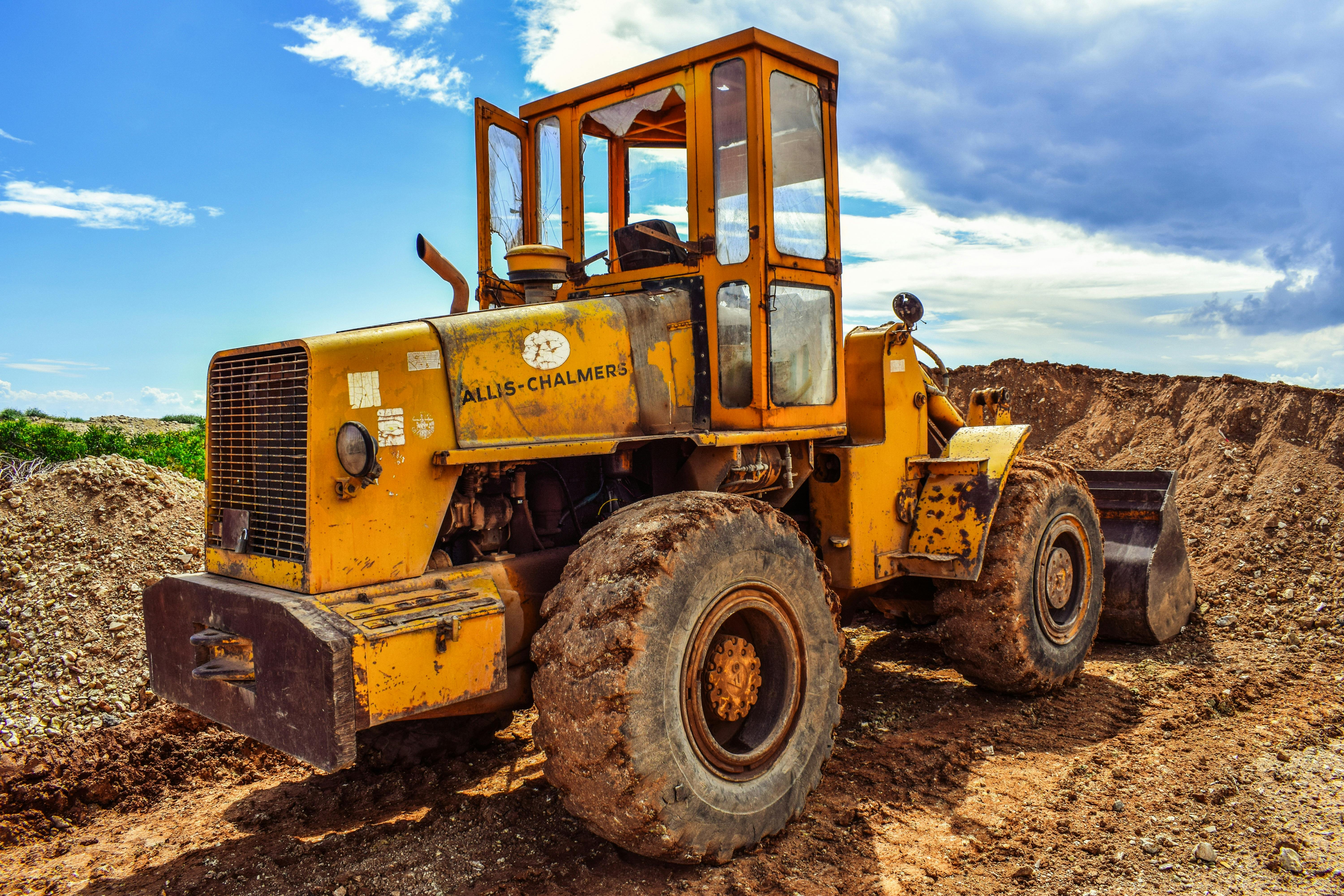
Traversing challenging landscapes requires specialized equipment designed to handle the unique demands of such environments. Marsh buggies, renowned for their versatility and ruggedness, offer unparalleled solutions for navigating swamps, marshlands, and other difficult terrains. These all-terrain vehicles are engineered to perform in conditions where traditional vehicles fail, ensuring that industries such as oil and gas, environmental conservation, and construction can continue their operations in some of the most inaccessible regions on the planet.
Understanding the Functionality of Marsh Buggies
Marsh buggies are specifically designed to excel in wetland areas and other challenging terrains. Their unique build and features make them indispensable in various industries that require reliable performance in tough conditions. Key characteristics of marsh buggies include:
- Amphibious Capabilities: Marsh buggies can transition seamlessly from water to land, allowing for versatile operation across different terrains.
- Low Ground Pressure: The design of marsh buggies distributes weight evenly, minimizing impact on sensitive environments and reducing the risk of getting stuck.
- Robust Construction: Built with durable materials, marsh buggies can withstand the harsh conditions often encountered in marshy areas.
For those interested in a deeper understanding of how these vehicles can transform operational capabilities, discover expert strategies here.
Industries Benefiting from Marsh Buggies
Oil and Gas Industry
In the oil and gas sector, accessing remote drilling sites is often a significant challenge. Marsh buggies provide a reliable solution for transporting equipment and personnel to these hard-to-reach locations. Their ability to traverse both land and water makes them an asset in areas with fluctuating water levels or extensive wetlands.
Environmental Conservation
Conservation efforts often require access to delicate ecosystems without causing damage. Marsh buggies offer an environmentally friendly option due to their low ground pressure, which helps protect fragile habitats while still allowing conservationists to carry out essential tasks.
Learn about our tailored solutions for sustainable operations in sensitive environments.
Construction and Infrastructure Development
In construction, particularly in areas prone to flooding or with soft ground conditions, marsh buggies are crucial. They facilitate the transportation of heavy machinery and materials, ensuring that projects can proceed without significant delays or additional costs due to accessibility issues.
Advanced Features of Modern Marsh Buggies
Modern marsh buggies are equipped with state-of-the-art technology to enhance their performance and safety. These features include:
- Advanced Navigation Systems: GPS and other navigation aids help operators maneuver efficiently, even in dense vegetation or open water.
- Enhanced Safety Features: Safety is paramount, and modern marsh buggies come with features such as reinforced cabins and emergency flotation devices.
- Customizable Options: Depending on the specific requirements of a task, marsh buggies can be customized with additional attachments or configurations.
For those seeking to optimize their fleet with these innovative machines, explore advanced guides and tips to maximize efficiency and performance.
The Future of Marsh Buggies
As technology continues to advance, the capabilities of marsh buggies are expected to evolve, offering even more robust solutions for tackling tough terrains. Innovations in materials and design will likely lead to increased durability and efficiency, ensuring these vehicles remain at the forefront of all-terrain transportation.
To stay ahead in utilizing marsh buggies for demanding projects, find out more about this approach and its benefits for various industries.
In conclusion, marsh buggies are an indispensable asset for any operation that demands resilience and adaptability in challenging environments. With continued advancements, these vehicles will undoubtedly remain a pivotal component in various industrial applications, providing reliable access and operational continuity in even the most unforgiving landscapes.
About the Author