In the world of waste management, commercial dumpster rentals play a pivotal role in ensuring that businesses of all sizes maintain a clean, efficient, and compliant operation. Whether you’re managing a construction site, running a retail store, or overseeing a large-scale event, understanding the nuances of choosing the right dumpster service can significantly influence cost efficiency and operational success. This guide aims to provide clarity on the essentials of commercial dumpster rentals, helping businesses make informed decisions that align with their waste management needs.
Understanding Various Dumpster Types
Commercial dumpsters come in various sizes and types, each designed to cater to specific waste management needs. Selecting the right type is crucial to ensure operational efficiency and regulatory compliance.
- Front Load Dumpsters: Ideal for regular trash production, these are commonly used by restaurants and small businesses. Their lids help contain odors and keep pests away.
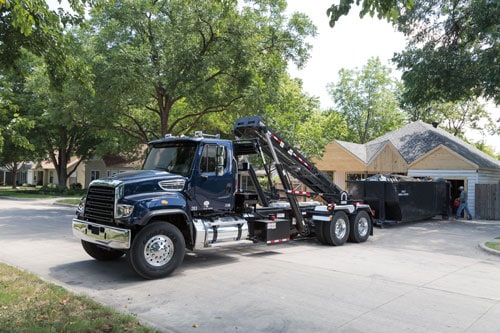
- Roll-Off Dumpsters: Perfect for construction sites or large-scale clean-outs, these dumpsters can handle large volumes of waste and are easy to transport.
- Compactors: Suitable for businesses generating high volumes of waste, compactors reduce space and frequency of pickups, enhancing cost-effectiveness.
For detailed insights on choosing the right dumpster type, discover expert strategies here.
Factors to Consider When Renting a Dumpster
Several factors should be taken into account to ensure the chosen dumpster rental service aligns with business requirements:
- Size and Capacity: Assess the volume of waste generated to determine the appropriate size, which can range from small 2-yard dumpsters to large 40-yard units.
- Frequency of Pickup: Depending on the waste production rate, decide on a pickup schedule that prevents overflow and maintains hygiene.
- Local Regulations: Understand municipal guidelines on waste disposal to avoid fines and ensure compliance.
- Access and Placement: Consider the logistics of dumpster placement to ensure easy access for waste disposal and pickup.
To further understand these considerations, find out more about this approach.
Cost Implications of Dumpster Rentals
The cost of renting a commercial dumpster involves several components that businesses should evaluate carefully:
- Rental Duration: Long-term rentals may offer cost savings compared to short-term agreements.
- Type of Waste: Certain waste materials, such as hazardous waste, may incur additional fees.
- Location Fees: Delivery and pickup charges can vary based on the dumpster’s location relative to the rental service provider.
- Additional Services: Value-added services, such as recycling or waste sorting, can impact overall cost.
For tailored cost solutions and a deeper understanding, explore advanced guides and tips.
Benefits of Professional Dumpster Rental Services
Opting for professional dumpster rental services offers numerous benefits that can enhance business operations:
- Efficiency and Convenience: Streamlined waste management processes allow businesses to focus on core activities.
- Compliance Assurance: Professionals ensure all waste disposal aligns with local and federal regulations.
- Environmental Responsibility: Many services offer recycling options, contributing to sustainability goals.
- Scalability: Services can be adjusted based on changing needs, providing flexibility to businesses.
Learn about our tailored solutions and how they can benefit your business by exploring advanced guides and tips.
Conclusion
Commercial dumpster rentals are an essential component of efficient waste management for businesses across various industries. By understanding the different types of dumpsters, evaluating critical factors, and considering cost implications, businesses can ensure effective waste management strategies. Investing in professional services not only guarantees compliance and efficiency but also supports broader environmental objectives. For those seeking to optimize their waste management practices, learn about our tailored solutions and take the first step towards streamlined operations.
About the Author