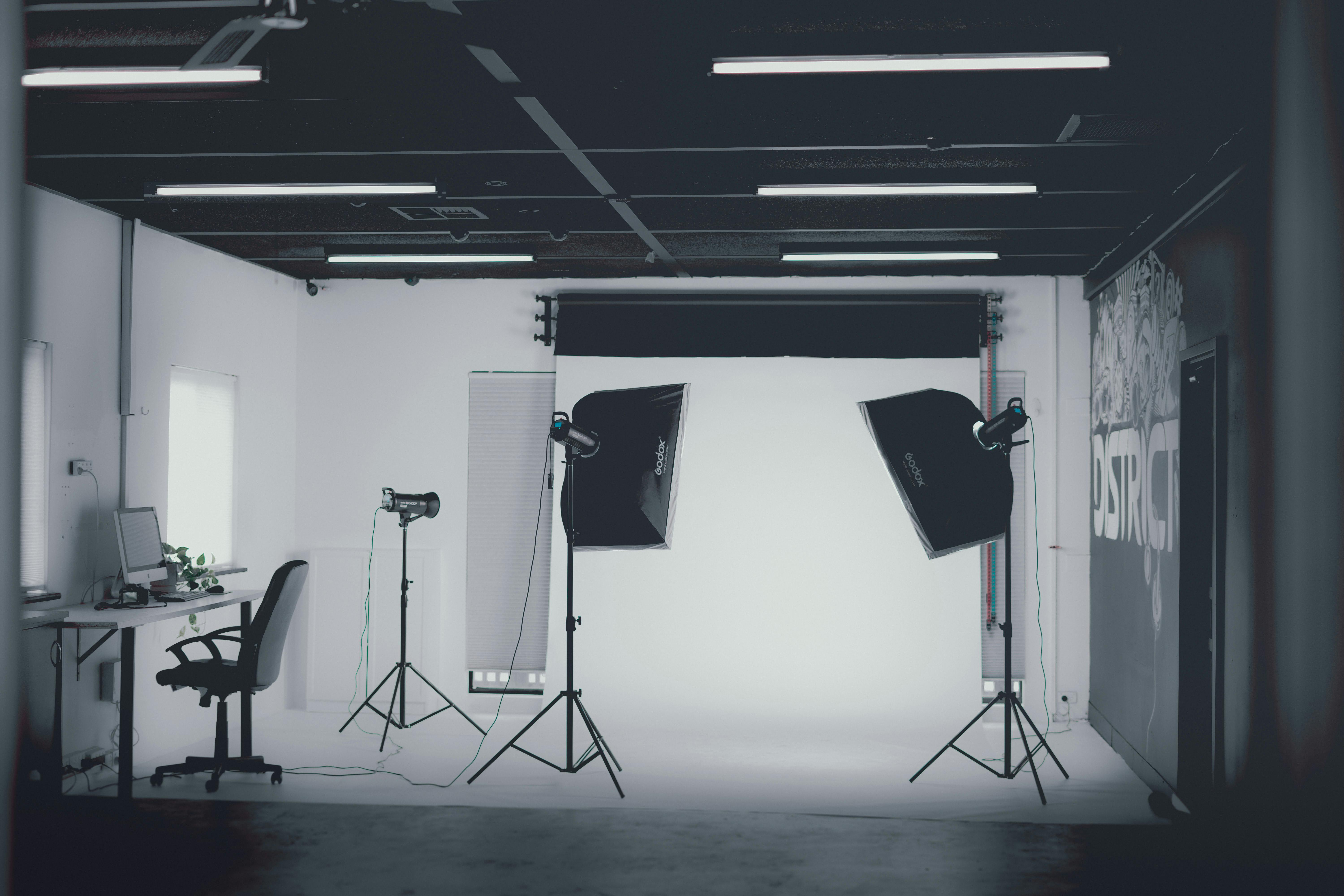
In today’s digital landscape, high-quality visual content is no longer a luxury, it is a necessity. Whether producing videos for social platforms, shooting product photography, or recording podcasts, creators need a controlled environment that supports creativity while minimizing technical obstacles. Renting a professional studio provides that flexibility, offering space, equipment, and acoustics that can be tailored to each project’s unique demands. This article explores the essential benefits of studio rental, the features to prioritize, budgeting tips, and practical strategies to get the most out of every session.
Why Studio Rental Matters
A dedicated creative studio bridges the gap between amateur setups and professional productions. It eliminates many of the variables that can compromise quality, such as inconsistent lighting, background noise, and limited space. By accessing a purpose-built environment, creators can focus on storytelling rather than troubleshooting technical issues.
- Consistent lighting conditions that can be adjusted for mood and style.
- Sound-treated rooms that reduce echo and external noise.
- Versatile backdrops and set pieces that support multiple concepts.
- Access to industry-standard equipment without the capital expense.
For deeper insight into how a well-equipped studio can elevate production value, Read more about this topic.
Key Features of an Ideal Creative Studio
Lighting Infrastructure
Adjustable LED panels, softboxes, and color-temperature controls enable creators to mimic natural light or craft dramatic effects. Look for studios that provide:
- Dimmer switches and remote control options.
- Grid-mounted rigs for overhead lighting.
- Portable lighting kits for on-set flexibility.
Acoustic Treatment
Sound quality is critical for video and audio projects alike. Studios equipped with acoustic panels, bass traps, and isolation booths help achieve clean recordings.
- Wall-mounted panels to dampen reflections.
- Floating floors that reduce vibration transmission.
- Dedicated vocal booths for voice-over work.
Equipment Availability
While many creators own basic gear, renting a studio often includes access to higher-end cameras, lenses, and accessories. Consider studios that offer:
- 4K and 8K cameras with interchangeable lenses.
- Professional audio mixers and microphones.
- Tripods, gimbals, and rigging systems.
To explore a comprehensive list of typical studio amenities, Learn more in this detailed guide.
Cost Considerations and Budgeting
Studio rental fees can vary based on location, size, and included services. Understanding the cost structure helps creators allocate resources effectively.
- Hourly vs. Daily Rates: Short shoots may benefit from hourly pricing, while longer projects often receive a discount on daily rates.
- Equipment Add-Ons: Some studios bundle gear in the base price; others charge per item. Clarify what is included before booking.
- Off-Peak Discounts: Booking during weekdays or non-prime hours can reduce expenses.
- Package Deals: Look for bundles that combine space, lighting, and audio equipment.
For practical budgeting advice, Explore further insights here.
Best Practices for Maximizing Studio Time
Efficient planning ensures that every rented hour contributes directly to the final product.
- Pre-Production Checklist: Define shot lists, lighting diagrams, and equipment needs ahead of time.
- Technical Rehearsal: Conduct a brief run-through to test audio levels, focus settings, and lighting balance.
- Time Blocking: Allocate specific periods for setup, shooting, and teardown to avoid overruns.
- Team Communication: Share the schedule with all participants to keep everyone aligned.
Detailed workflow recommendations can be found at Find additional information here.
Future Trends in Studio Rental
The studio rental market is evolving alongside technology. Emerging trends include:
- Virtual Production: LED walls and real-time rendering enable creators to blend physical sets with digital backgrounds.
- Hybrid Spaces: Studios that support both in-person and remote collaboration through high-speed internet and streaming infrastructure.
- Sustainability: Energy-efficient lighting and recycling programs are becoming standard offerings.
- Modular Design: Flexible partitions allow quick reconfiguration for varied project scales.
Keeping abreast of these developments helps creators stay competitive. For an overview of how modern studios are adapting, Read more about this topic.
About the Author