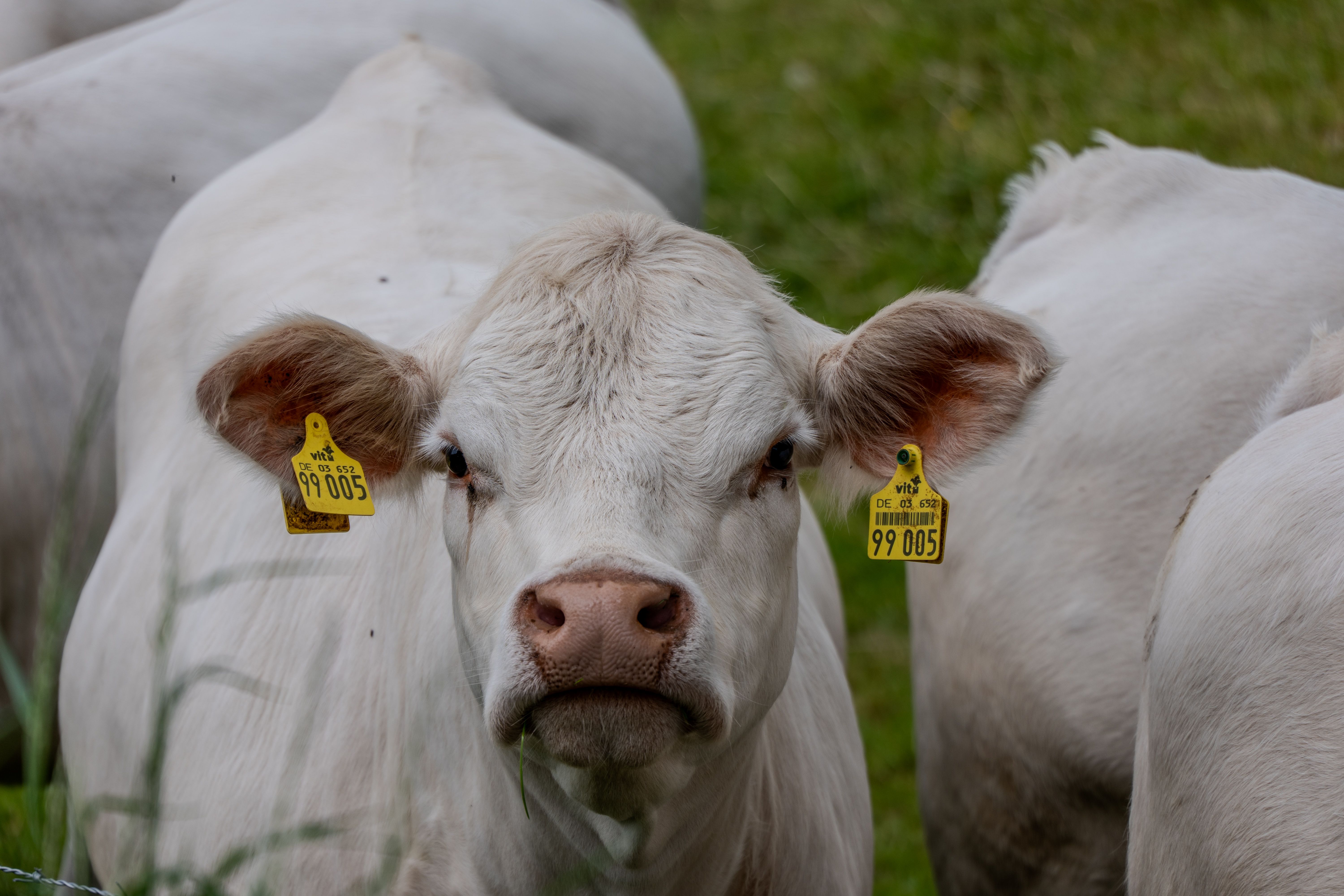
Irish lamb has long been celebrated for its distinctive flavor, tender texture, and the rugged landscapes that shape its character. The combination of cool, green pastures, a temperate climate, and centuries-old farming traditions creates a product that appeals to chefs, nutritionists, and environmentally conscious consumers alike. This article explores the qualities that set premium Irish lamb apart, the sustainable practices that underpin its production, and the culinary possibilities that make it a versatile choice for a wide range of dishes.
Key Characteristics of Premium Irish Lamb
The unique profile of Irish lamb can be attributed to several interrelated factors:
- Grass-fed diet: Lambs graze on diverse, naturally occurring grasses and clovers, which impart a subtle, herbaceous flavor.
- Climate influence: The mild, maritime climate reduces stress on the animals, contributing to consistent meat quality.
- Breed selection: Traditional breeds such as the Irish Blackface and Suffolk are prized for their adaptability and meat attributes.
- Age at slaughter: Typically harvested at 6-12 months, the meat retains a delicate tenderness while maintaining robust flavor.
For a deeper understanding of how these factors interact, Read more about this topic.
Sustainability Practices in Irish Lamb Production
Environmental Stewardship
Irish lamb producers employ a range of methods aimed at minimizing ecological impact:
- Rotational grazing that protects soil health and encourages biodiversity.
- Low-intensity farming systems that limit the use of synthetic fertilizers and pesticides.
- Efficient water management through natural rainfall reliance and water-wise pasture design.
These practices help maintain the integrity of the landscape while supporting carbon sequestration. Learn more in this detailed guide.
Animal Welfare
Animal welfare is integral to sustainable lamb production. Key standards include:
- Free-range access allowing natural movement and behavior.
- Veterinary oversight that emphasizes preventive care over medication.
- Transparent record-keeping to ensure traceability from birth to market.
Such measures not only enhance the ethical profile of the product but also contribute to its superior taste and texture. Explore further insights here.
Quality Assurance and Traceability
Robust quality control systems are essential for maintaining consumer confidence. The following steps are typical in the Irish lamb supply chain:
- Initial health checks and breed verification on the farm.
- Regular sampling for microbiological and chemical analysis.
- Certification schemes that align with EU regulations and international standards.
- Digital traceability platforms that allow end-users to follow the product’s journey.
These layers of oversight ensure that each cut meets stringent safety and quality benchmarks. Find additional information here.
Culinary Applications and Pairings
Premium Irish lamb’s versatility makes it suitable for a broad spectrum of culinary styles. Chefs often highlight the following preparations:
- Roasted leg: Slow-roasted with herbs such as rosemary and thyme, finished with a splash of Irish whiskey for depth.
- Grilled chops: Marinated in olive oil, garlic, and lemon, then seared over high heat for a caramelized crust.
- Stews and braises: Slow-cooked with root vegetables, stout, and aromatic spices to produce a hearty, comforting dish.
- Ground lamb: Ideal for kebabs, meatballs, or as a flavorful base for vegetarian-friendly sauces.
When pairing, consider complementary flavors that accentuate the lamb’s natural gaminess:
- Red wines such as Pinot Noir or Bordeaux blends.
- Seasonal vegetables like kale, carrots, and parsnips.
- Rich sauces featuring mint, juniper, or dark chocolate.
Professional chefs seeking inspiration can Read more about this topic. to discover additional recipes and technique tips.
Market Trends and Consumer Demand
Consumer preferences are increasingly shifting toward products that combine quality with ethical production. Key trends influencing the Irish lamb market include:
- Rising demand for traceable, locally sourced meat.
- Growth in premium dining experiences that emphasize terroir.
- Increasing awareness of the environmental benefits of pasture-based livestock.
- Expansion of online platforms that connect producers directly with end-consumers.
These dynamics encourage producers to continue refining sustainable practices while maintaining high sensory standards. Learn more in this detailed guide.
Conclusion
Premium Irish lamb represents a harmonious blend of natural terroir, responsible farming, and meticulous quality control. Its distinctive flavor profile, coupled with a commitment to sustainability and animal welfare, positions it as a compelling choice for discerning consumers and culinary professionals alike. By embracing traceability, adhering to rigorous standards, and honoring centuries-old pastoral traditions, Irish lamb offers a taste of quality that is both environmentally sound and gastronomically rewarding. For those interested in exploring the broader context of European lamb production, Explore further insights here. and discover how these practices contribute to a resilient food system.
About the Author


